
Signs Your Home’s Foundation is Shifting: When to Consider Push Piers
Signs Your Home’s Foundation is Shifting: When to Consider Push Piers
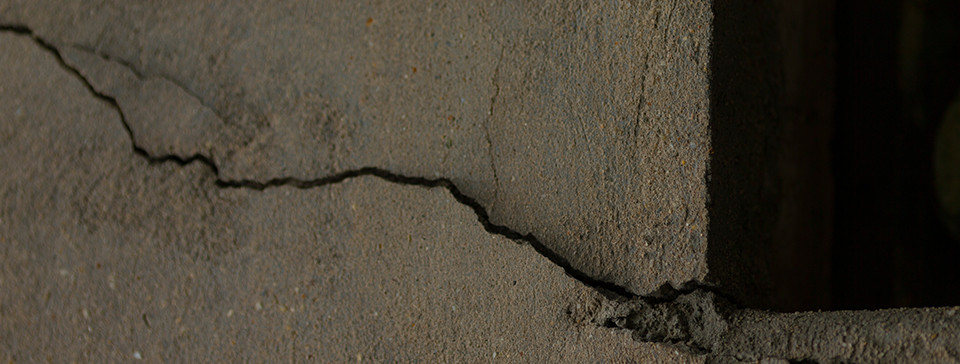
You may spot early signs of foundation shifting when doors stick or brick shows stair-step cracks. We have seen jagged shear cracks at window and door corners, and those usually mean the foundation is stressing the wall frame.
Below, we point out exterior and interior warning signs and explain when hydraulic push piers or steel push piers can help. In general, push-pier systems can lift and stabilize a sinking foundation when the soil downhole is stable enough to carry the load. They work well for localized settlement caused by moisture changes, poor compaction, or failed footings. Read on for the next steps.
Exterior Signs of Foundation Shifting
Sometimes, your brick walls start to show deep zigzag cracks that leave you scratching your head. Chimneys can look off-kilter, or there may be odd gaps around windows and doors. These are clear signals the ground beneath is shifting, hinting at foundation problems from soil movement or compaction.
Stair-step cracks in brick
Stair-step cracks run in a zigzag through brick and mortar at about a forty-five degree angle around window and door corners. We call those shear cracks, and they stand as the most critical indicator of foundation movement. Stair-step cracks often point to soil movement or root intrusion pushing on walls.
We watch for cracks wider than a quarter inch because those are likely structural and need immediate inspection. Hairline cracks under a fraction of an inch usually come from concrete curing and stay harmless. We can fill tiny gaps with epoxy or sealant if they stay very small, but we do not recommend sealing larger cracks right away. We avoid quick fixes that hide the problem and block future work.
We advise a structural engineer review if the house shows persistent movement or visible sinking. Options to arrest foundation settlement and restore structural stability include using hydraulic push pier systems or helical piers. As a supplier, Walder Foundation Products provides the high-quality materials contractors rely on to secure your home.
Gaps around windows, doors, and chimneys
Gaps around windows, doors, and chimneys often signal foundation issues. When you notice these openings, they might be signs of a settling house, which can lead to drafts that increase your energy bills. Larger gaps between windows and exterior walls may indicate serious structural problems. It is not just a cosmetic issue, as it affects the integrity of your home.
You should pay attention to the chimney as well. If it leans or shows cracks, significant movement has likely occurred underfoot. Experts recommend inspecting these areas closely if you see gaps developing. Persistent water intrusion or drainage problems might also arise in connection with these shifts, making professional evaluation necessary for long-term safety and stability.
Interior Signs of Foundation Issues
Cracks in drywall and ceilings often signal trouble below. If you notice these gaps, your home structure might be shifting. Sloping or uneven floors can also raise a red flag. This is not just an aesthetic issue, as it could point to deeper foundation problems that need attention.
Cracks in drywall and ceilings
You may often notice cracks in drywall and ceilings, and these signs indicate possible foundation issues. Large or sudden cracks should grab your attention right away. They may suggest that your home is settling unevenly. Cracks near windows and door frames are particularly alarming because they signal structural movement.
If you spot any crack wider than a quarter inch, you need to call in a professional for an evaluation. Walls that shift lead to multiple nail pops in the drywall too, amplifying concerns about home safety and stability. Repairing these cracks with epoxy or polyurethane is an option, but let us avoid filling them immediately since it could hinder future repairs by contractors. Keeping an eye on these signs helps you maintain the structural integrity of your home effectively.
Sloping or uneven floors
Sloping or uneven floors are serious signs of foundation issues. Most homes sit level when built, so any tilt can mean trouble. Floors that squeak, sag, or bounce often hint at moisture or structural movement underneath them. You will notice these problems particularly in homes on slopes or hillsides.
These foundations may settle over time, leading to instability. Sudden changes in floor height might indicate a sinking foundation as well. We have seen cases where homeowners struggled with sloped basement floors and uneven wood floors due to underlying damage.
It is essential for you to act quickly if you spot these symptoms. Delaying action could lead to more severe structural problems and significant repair bills later on. Installation expenses for piers and hydraulic lifting can be substantial, so catching the problem early is crucial.
When to Consider Push Piers
When you notice persistent foundation movement in your home, it is time to take action. If you see visible sinking or settling of the structure, push piers might be the solution you need. These strong supports can stabilize your foundation and prevent further damage. A swift response keeps bigger issues at bay.
Persistent foundation movement
Persistent foundation movement shows ongoing issues with a house. You may notice cracks widening or sloping floors becoming more pronounced. These symptoms signal that the foundation needs your attention. If you see gaps wider than a quarter inch, it is time to act before cracks worsen quickly and lead to significant repairs down the line.
Disregarding these signs poses risks for any homeowner, and structural damage can escalate if you wait too long. Common repair methods include pushing piers into the ground for support, which stabilizes shifting foundations effectively. This process requires specialized knowledge about soil behavior and load distribution, so calling in a licensed foundation contractor is essential for proper assessment. Walder Foundation Products is proud to supply the industry-grade piers your contractor needs to complete the job.
Visible sinking or settling of the structure
You will see visible sinking or settling in a structure when the foundation shifts. Cracks often appear in the walls and floors, making it hard to ignore. We find that chimneys pull away from the house as soil settlement occurs. Misaligned doors and windows can also signal trouble, and persistent issues like these may lead to more extensive problems later on, including structural damage.
Overlooking these signs is risky because progressive foundation damage can create significant repairs later on, up to full foundation replacements. Addressing sloping floors early helps avoid future challenges. A solid inspection by a structural engineer could save you much more down the road through timely intervention with solutions such as pier and beam support or waterproofing systems.
Conclusion
Noticing signs of foundation shifting can feel overwhelming. Cracks in walls and sloping floors should grab your attention immediately. You need to act quickly at the first sign of trouble, like bowing basement walls or doors that stick.
Push piers can come to the rescue when your home needs extra support. By relying on trusted contractors equipped with supplies from Walder Foundation Products, you can ensure the underlying issues are properly addressed. Protecting your investment is key for a safe and secure living space.
LATEST NEWS
Dry Rot vs. Wet Rot: Identifying Subfloor Wood Decay Before Installing Secondary Supports
Dry Rot vs. Wet Rot: Identifying Subfloor Wood Decay Before Installing Secondary Supports Are your s...
Banishing the Musty Smell: A Homeowner's Guide to Eliminating Crawl Space Odors
At Walder Foundation Products, we know that many homeowners notice a musty smell rising through thei...
Why Removing Old Fiberglass is the First Step to a Healthy Crawlspace
Are you dealing with soggy, sagging insulation and thinking about replacing your crawlspace insulati...
Upgrade Your Crawl Space Door: Stop Pests and Moisture in One Weekend
Are pests and moisture sneaking in through old crawl space doors? We saw the same problem and dug in...
Camel Crickets, Silverfish, and Spiders: What Crawl Space Bugs Reveal About Hidden Humidity
Homeowners often worry about bugs in a damp crawl space. At Walder Foundation Products, we provide t...
Crawl Space Encapsulation 101: Choosing the Right Vapor Barrier Thickness
Are you seeing moisture seeping into your home through the crawl space and leaving wood damp and mol...