
Camel Crickets, Silverfish, and Spiders: What Crawl Space Bugs Reveal About Hidden Humidity
Homeowners often worry about bugs in a damp crawl space. At Walder Foundation Products, we provide the essential supplies to help you tackle these issues, as up to 50% of indoor air can come from the crawl space. This post shows how camel crickets, silverfish, brown recluse spiders, and long-bodied cellar spiders signal excess moisture, and how crawl space encapsulation products, a durable vapor barrier, and a reliable crawl space dehumidifier can help. Read on for quick steps to cut humidity and keep pests out.
Common Crawl Space Bugs and Their Connection to Humidity
Crawl spaces with too much dampness can feel like an all-you-can-eat buffet for unwanted pests. Moist air helps bugs thrive, spread mold, and even attracts furry intruders like house mice or rats.
Camel Crickets
We sometimes call camel crickets cave crickets or spider crickets. They love cool, moist spots in crawl spaces, and they often move indoors during hot, dry weather outside. While they do not bite humans, they can chew through fabrics and clothing.
The main sign of a problem is finding several crickets in your crawl space or home. We recommend moisture control to stop these infestations at the source. At Walder Foundation Products, we supply industry-leading dehumidifiers, waterproofing materials, and ventilation products to help you keep them out. Taking these steps can also help address related issues like mold and mildew that attract termites, rodents, cockroaches, and house mice.
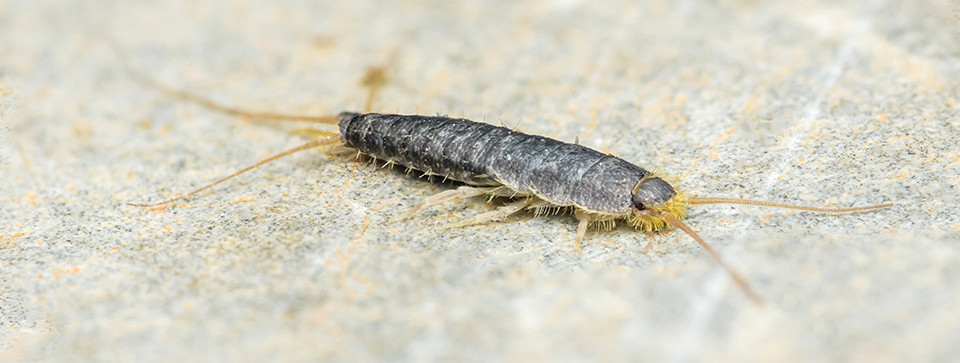
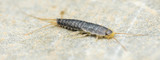
Silverfish
Silverfish frequently invade crawl spaces because these insects love moist, humid environments and thrive in areas lacking moisture control. Their presence serves as a clear indicator of excessive humidity issues that need to be addressed.
These pests can damage your belongings by feasting on paper, glue, and even clothing. To keep them away, the root cause of dampness must be tackled first. Maintaining proper ventilation and reducing moisture with the right products will help you avoid silverfish problems. By taking these steps, you protect not just your crawl space but also your indoor air quality from other unwanted bugs.
Spiders
Crawl spaces often become cozy homes for spiders. Brown recluse spiders love undisturbed areas, making these hidden spots perfect for nesting. Their venomous bites can be dangerous, but they typically only bite when disturbed. You might also find long-bodied cellar spiders, which weave loose webs in damp places.
Finding spider webs or spotting spiders means you may have an infestation on your hands. These pests thrive in humidity, which shows how important moisture control is to prevent them. Keeping crawl spaces dry helps keep spiders and other pests at bay while safeguarding your home from unwanted guests.
Why Humidity Attracts Pests to Crawl Spaces
Humidity draws pests to crawl spaces like a moth to a flame because moisture creates the perfect environment for insects and rodents. These critters thrive in damp conditions, making homes their favorite hangout spots. Camel crickets, silverfish, and spiders love unsealed areas filled with humidity where they can easily find food sources and shelter in dark corners.
When moisture control is neglected, it rolls out the welcome mat for pests. Mold also flourishes where humidity is high, which can deteriorate indoor air quality and lead to health issues such as allergies or respiratory problems. This combination of factors establishes an inviting atmosphere for wood-destroying nuisances like termites while attracting rodents.
Sealing off your crawl space with high-quality encapsulation materials helps create an inhospitable zone for these unwanted guests. It is crucial to take action against excess moisture before it leads to bigger pest prevention challenges down the road.
Signs of Moisture Problems in Crawl Spaces
Moisture challenges in crawl spaces can lead to serious issues, so it is important to recognize the signs early. Standing water signals a major issue and means you should consider encapsulation products from Walder Foundation Products to fix the problem. Excessive dampness indicates moisture problems as well, and if you notice water pooling, immediate action is necessary.
Mold or mildew growth stands out clearly and often hints at a need for reliable encapsulation materials right away. Musty odors are also hard to ignore, as these smells usually stem from trapped moisture in crawl spaces and suggest it is time to investigate further. You might also notice humidity indoors that catches you off guard even during dry weather. If your indoor air feels sticky, you might face greater issues beneath your home, and damp areas in places like basements or attics indicate potential moisture troubles that should not go unchecked.
Pest activity is another major sign of excess moisture. A distinct odor from house mice can suggest a large population living nearby, as their presence often means they are thriving in a moist environment. Spotting even one mouse is more than just a nuisance since it hints at larger infestations lurking around. Additionally, rub marks on walls show where house mice travel frequently, and these oily tracks reveal their activity patterns. Keeping an eye out for all these signs helps manage crawl space health effectively and prevents moisture-loving bugs from invading your home.
Preventing Humidity and Bug Infestations
Taking steps to keep humidity levels low and pests away is essential for a healthy home, and a few effective strategies can make a big difference in your crawl space. First, you should seal the crawl space to block moisture, outside air, and pests. This process involves installing a high-quality vapor barrier over the soil to effectively stop moisture seepage. It is also important to close all vents securely. You can use silicone-based caulk or steel wool to seal entry points, paying special attention to holes larger than a dime and gaps wider than a pencil.
Adding a durable dehumidifier is another great way to maintain ideal humidity levels, as this device works wonders in keeping dampness at bay. For better moisture control, you can install mechanical vents that open and close according to the season to manage airflow more effectively. Inside the crawl space, store any items in sealed plastic containers to prevent pests from invading them. You should also eliminate clutter in the area, as it provides hiding spots for bugs like silverfish and spiders looking for a dark place to thrive.
Outside your home, keep the area around foundation walls well-drained and free of standing water to reduce the risk of humidity creeping indoors. Regularly check gutters and downspouts to ensure they direct water away from the foundation, preventing unwanted moisture accumulation. Maintaining your landscaping by trimming bushes and trees near the home will also discourage pests from setting up shop nearby. Finally, inspect your crawl space regularly for signs of pest activity or moisture problems, because early detection allows you to act quickly before infestations grow out of control.
Conclusion
Crawl spaces are more than just dark, hidden areas. They tell us a lot about a home's moisture levels and pest activity. Camel crickets, silverfish, and spiders can reveal serious dampness issues, and when you spot these bugs, it is time to act. Sealing your crawl space with the right supplies can keep these unwanted guests away and enhance the air quality in your home. At Walder Foundation Products, we are ready to equip you with the premium products needed to take charge of humidity and create a pest-free environment.
LATEST NEWS
Dry Rot vs. Wet Rot: Identifying Subfloor Wood Decay Before Installing Secondary Supports
Dry Rot vs. Wet Rot: Identifying Subfloor Wood Decay Before Installing Secondary Supports Are your s...
Banishing the Musty Smell: A Homeowner's Guide to Eliminating Crawl Space Odors
At Walder Foundation Products, we know that many homeowners notice a musty smell rising through thei...
Why Removing Old Fiberglass is the First Step to a Healthy Crawlspace
Are you dealing with soggy, sagging insulation and thinking about replacing your crawlspace insulati...
Upgrade Your Crawl Space Door: Stop Pests and Moisture in One Weekend
Are pests and moisture sneaking in through old crawl space doors? We saw the same problem and dug in...
Camel Crickets, Silverfish, and Spiders: What Crawl Space Bugs Reveal About Hidden Humidity
Homeowners often worry about bugs in a damp crawl space. At Walder Foundation Products, we provide t...
Crawl Space Encapsulation 101: Choosing the Right Vapor Barrier Thickness
Are you seeing moisture seeping into your home through the crawl space and leaving wood damp and mol...