
Banishing the Musty Smell: A Homeowner's Guide to Eliminating Crawl Space Odors
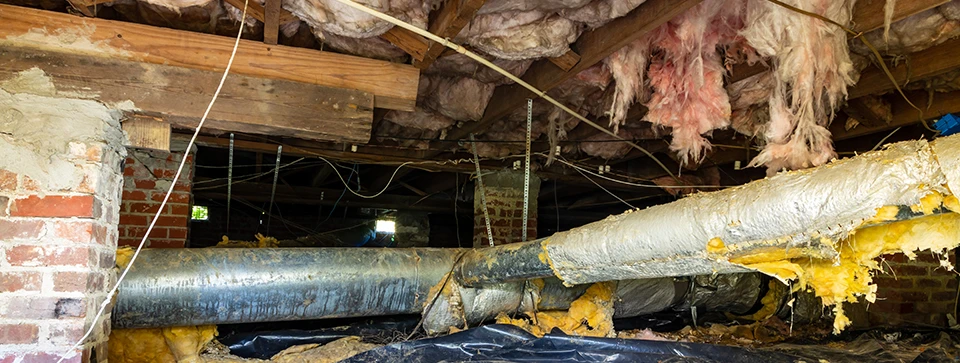
At Walder Foundation Products, we know that many homeowners notice a musty smell rising through their floors from the crawl space beneath. Up to 50 percent of the air on a home's first floor can originate from the crawl space due to the stack effect, carrying humidity and odors upward. We have investigated the roles of humidity, mold cleaners, and vapor barrier failures to help you find the best solutions. This guide explores effective methods and materials for crawl space moisture control, including dehumidifiers, proper venting, and sealing supplies.
Common Causes of Musty Crawl Space Odors
Walking into a basement or bottom floor, you might occasionally notice a musty smell. Usually, this indicates underlying issues such as mold spores or damp insulation beneath the floorboards.
Mold and Mildew Growth
Mold thrives in damp, unsealed crawl spaces and produces distinct musty odors. Treating crawl space wood for mold with water-based treatments can temporarily raise moisture levels in the joists. Mold and mildew growth frequently appears on timber and old insulation. We supply professional-grade mold disinfectants and crawl space encapsulation materials to stop spores from spreading and to protect indoor air quality.
Once the source of the moisture is found, treating and sealing the space is the necessary next step. We recommend utilizing a crawl space vapor barrier, a high-quality dehumidifier, and proper insulation after treatment. These materials work alongside basement waterproofing supplies, sump pumps, and drainage systems to ensure lasting crawl space repair and optimal dehumidification.
Trapped Moisture and Poor Ventilation
Crawl spaces can quickly become damp and musty, often due to trapped moisture and poor ventilation. Unsealed crawl spaces invite warm, humid air inside, leading to damp conditions that promote mold and mildew growth. This influx of outside air can also cause an uncomfortable increase in indoor humidity.
Ventilating these spaces with outside air does not resolve the problem and often makes things worse. Using box fans simply circulates stale air without fixing the underlying moisture issue. Adding a duct that blows conditioned air into the crawl space can also complicate airflow management. Furthermore, off-gassing from new encapsulation materials might temporarily add odors, creating another layer to the challenge of managing musty smells in the home.
Organic Matter and Decaying Materials
Organic matter in the soil frequently causes musty odors in crawl spaces. Leftover leaves, animal waste, and dead pests all contribute to this unpleasant smell. Trash and old stored items can also add to the problem. Rodent droppings and urine emit particularly strong odors, so cleaning out accumulations of organic debris is a major step toward freshening the home.
Sewage backups can create serious odor issues as well. The process of encapsulation helps eliminate these problems by removing old vapor barriers and insulation that may be hiding decaying materials. Addressing these factors directly tackles the source of musty odors head-on. Keeping crawl spaces clean makes them much healthier places for the entire home.
Solutions to Eliminate Crawl Space Odors
To banish pesky crawl space odors, encapsulating the area and sealing off moisture is highly effective. Installing a dehumidifier also helps keep humidity levels low and freshens the air.
Crawl Space Encapsulation
Crawl space encapsulation offers a powerful solution for musty odors. A successful project begins by sealing the entire crawl space using high-quality materials. First, the old vapor barriers and insulation must be removed. Next, sealing all openings with spray foam prevents outside air from creeping inside.
The following step is to install a thick vapor barrier across the floor and walls of the crawl space, a process that drastically reduces humidity levels. Encapsulation aims to tackle moisture issues at their source, keeping pests and odors at bay. With proper encapsulation using durable materials, homeowners can enjoy a drier crawl space and healthier living conditions. Walder Foundation Products carries a comprehensive selection of vapor barriers, tapes, and foam insulation to complete these projects effectively.
Using a Dehumidifier
Dehumidifiers play a crucial role in fighting musty crawl space odors by managing moisture levels and keeping homes fresh. After encapsulation, a dehumidifier can significantly reduce crawl space humidity, dropping it from high levels down to an ideal range between 42 and 55 percent. Maintaining humidity at or below 55 percent is highly effective at preventing odor development and mold growth.
Dehumidifiers serve as an excellent alternative to relying solely on HVAC systems for moisture control, as HVAC returns are not always adequate for the task. The units we provide are built for demanding conditions, ensuring durability and long-term performance in moist environments. We consider dehumidification a key part of any crawl space odor management plan because effective moisture control contributes greatly to indoor air quality.
Preventing Future Odors
To keep pesky odors from returning, regular inspections of the crawl space are highly recommended. Checking for leaks and ensuring proper airflow helps nip potential problems in the bud.
Regular Inspections and Maintenance
Regular inspections keep the crawl space healthy and odor-free, while consistent maintenance routines help spot problems before they escalate. Routine evaluations identify ongoing moisture sources and potential odor issues in the crawl space. These inspections allow for the early detection of pest infestations or dead animals, preventing severe odors from developing and keeping the home safe.
Regularly checking vapor barriers and insulation ensures their integrity, which is essential to prevent moisture build-up over time. Inspections should also be scheduled after major renovations like encapsulation to monitor the results and ensure the effectiveness of the materials used. During every inspection, humidity levels should be assessed to confirm they remain between 42 and 55 percent, preventing mold growth and musty smells. Taking advantage of regular maintenance enhances a home's overall performance and improves energy efficiency. With these targeted actions, pesky crawl space odors can be eliminated for good.
Ensuring Proper Drainage and Ventilation
Proper drainage and ventilation keep crawl spaces fresh and healthy. Musty odors can be tackled effectively when moisture is managed correctly. Sump pumps play a vital role in removing excess water from the space. They prevent flooding and reduce humidity levels to maintain a dry environment. The engineered drainage and dimple board materials we supply are built for the demanding soil conditions typical of crawl spaces. These systems help channel water away from the foundation to keep it safe and sound. Sealing all crawl space openings is critical to avoiding moisture problems, as appropriate vent covers and access doors block humid outside air and rainwater.
Passive vents can sometimes be used strategically, but continuous operation of ventilation fans often aids more in managing air quality. Fans help stabilize humidity levels by circulating fresh air through mitigation systems or other specialized setups. Regular inspections help spot potential drainage issues before they become major problems. Checking the condition of the drainage systems ensures they function correctly year-round.
Proper grading around the property is also necessary for effective drainage, directing rainwater away from the foundation to prevent seepage. Using dehumidifiers adds an extra layer of protection against dampness, pulling excess moisture out of the air and making living conditions more pleasant. Maintaining structural support jacks in encapsulated crawl spaces promotes long-term integrity, keeping the area stable while preserving the vapor barrier. Finally, making sure that drains stay clear is essential for unhindered water flow, as clogs can lead to unnecessary repairs. Taking these proactive steps provides peace of mind and ensures that odors stand little chance of returning.
Conclusion
Musty crawl space odors can be tackled successfully with the right approach and supplies. First, the sources of the problem, such as mold and trapped moisture, must be identified. Then, proven solutions like encapsulation barriers and high-quality dehumidifiers can be implemented. Regular checks and maintenance will keep the home fresh and odor-free continuously. Let’s create a healthier living space by using reliable products to eliminate those unpleasant smells once and for all.
LATEST NEWS
Dry Rot vs. Wet Rot: Identifying Subfloor Wood Decay Before Installing Secondary Supports
Dry Rot vs. Wet Rot: Identifying Subfloor Wood Decay Before Installing Secondary Supports Are your s...
Banishing the Musty Smell: A Homeowner's Guide to Eliminating Crawl Space Odors
At Walder Foundation Products, we know that many homeowners notice a musty smell rising through thei...
Why Removing Old Fiberglass is the First Step to a Healthy Crawlspace
Are you dealing with soggy, sagging insulation and thinking about replacing your crawlspace insulati...
Upgrade Your Crawl Space Door: Stop Pests and Moisture in One Weekend
Are pests and moisture sneaking in through old crawl space doors? We saw the same problem and dug in...
Camel Crickets, Silverfish, and Spiders: What Crawl Space Bugs Reveal About Hidden Humidity
Homeowners often worry about bugs in a damp crawl space. At Walder Foundation Products, we provide t...
Crawl Space Encapsulation 101: Choosing the Right Vapor Barrier Thickness
Are you seeing moisture seeping into your home through the crawl space and leaving wood damp and mol...