
Dry Rot vs. Wet Rot: Identifying Subfloor Wood Decay Before Installing Secondary Supports
Dry Rot vs. Wet Rot: Identifying Subfloor Wood Decay Before Installing Secondary Supports
Are your subfloor joists soft or cracked, and do you want to know if it is dry rot or wet rot before fitting crawl space jacks? Many property owners run into this issue, so it helps to know the facts. Dry rot, caused by the fungus Serpula lacrymans, can spread when wood holds 20 to 30 percent moisture. In contrast, wet rot, stemming from Coniophora puteana, typically needs more than 50 percent moisture to thrive.
This short guide on dry rot versus wet rot in subfloors will show you how to spot wood decay in crawl space joists. You will also learn how to use moisture meters, check ventilation, and assess floor joists and subfloor timber. Read on to discover how to protect your structure effectively.
Understanding Dry Rot and Wet Rot
Timber decay does not just sneak up on a structure; it sends clear signals. Fungal problems like brown rot and white rot can strike subfloor timber, threatening a building’s strength before anyone even touches a crawl space jack or considers structural repairs.
What is Dry Rot?
Dry rot is a form of fungal decay caused by Serpula lacrymans. It thrives at 20 to 30 percent wood moisture content and spreads rapidly through masonry and plaster. The fungus forms mycelium and fruiting bodies that aggressively consume subfloor timber and joists.
This decay causes widespread structural damage and unsafe living conditions in buildings across the US. Because dry rot needs only modest moisture compared to wet rot, damp proofing and basement waterproofing are critical preventative steps.
At Walder Foundation Products, we supply the crawl space jacks and drainage materials needed to protect structural integrity. Left unchecked, the decay moves aggressively and can cross materials, making any future repairs much more complex.
What is Wet Rot?
Wet rot occurs due to the fungus Coniophora puteana, commonly known as cellar fungus. This decay thrives in wood with moisture levels above 50 percent. Wet rot is often found lurking in areas with leaking roofs, gutters, or poorly sealed window frames. Rising damp can also contribute to its accelerated growth.
Unlike dry rot, wet rot causes localized damage and stays close to the moisture source. The spread of this fungus is slow to moderate. Once it starts affecting timber, soft or spongy spots begin forming on the wood.
Discoloration and staining become evident as well. These signs signal that immediate action is needed before further deterioration sets in.
Identifying Signs of Dry Rot
Recognizing dry rot can prevent larger structural issues down the line. If wood feels cracked or brittle, it is time to examine it more closely. Fungal growth often follows moist conditions. That distinct musty odor is a significant warning sign that should not be overlooked. When these symptoms are noticed early, homes can be safeguarded from considerable damage.
Cracked or Brittle Wood
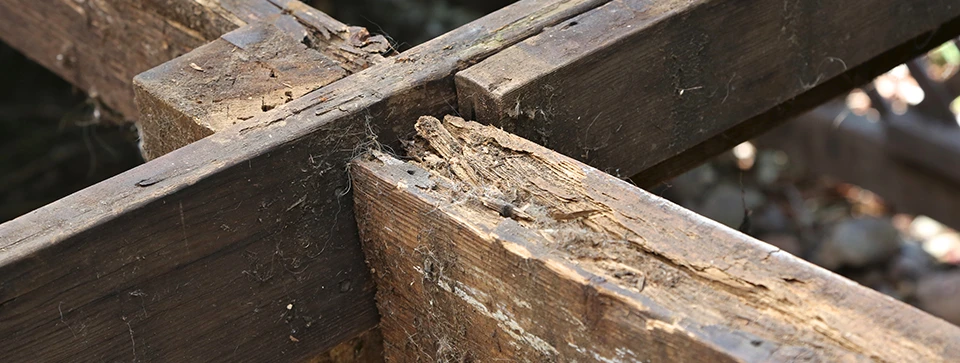
Cracked or brittle wood often signals dry rot. This issue can be spotted by examining the surface closely. Affected timber shows deep cuboidal cracking, running both with and against the grain. This creates brick-like sections that crumble easily when touched.
Dry rot thrives on moisture but makes wood seem dry and lightweight. It is a sneaky condition that leads to significant damage if overlooked. If cracked wood is noticed, it is time for action. Overlooking signs like these only worsens the problem later on. Black mold can also appear alongside these cracks, adding to concerns about property preservation and safety in buildings.
Fungal Growth
Fungal growth is a major indicator of dry rot. White or grey mycelium resembling soft cotton or silky threads is often spotted. This growth eventually matures into a grey-lilac color. It is important to act quickly when this sign appears.
Attention should also be paid to rust-orange fruiting bodies, which look like mushrooms. They produce a large amount of rust-colored spore dust that can spread easily throughout a home. Along with these visible signs, root-like strands called rhizomorphs may extend across masonry.
These strands transport water and nutrients to the fungus. They indicate an unhealthy subfloor environment that requires immediate attention and remediation.
Distinct Musty Smell
Dry rot has a distinct musty smell that stands out clearly. This odor is much stronger than the damp scent associated with wet rot. It comes from volatile organic compounds produced by Serpula lacrymans as it digests timber.
This pungent whiff can often be caught before any visible signs of damage are seen. Finding this smell in a home should raise red flags. It indicates underlying issues with the wood structures that require quick action. Ignoring the musty aroma could lead to bigger problems down the line and may result in more extensive repairs.
Identifying Signs of Wet Rot
Wet rot can catch a homeowner off guard. You might notice soft, spongy timber that feels like a sponge when pressed. This sign should raise eyebrows and prompt a search for the source of moisture. Stains and discoloration may also appear near affected areas, indicating its presence before it causes more damage to the structure.
If dampness lingers in corners or around baseboards, it is time to act quickly. Trusting those instincts is key; these signs are loud and clear messages that wet rot is actively at work.
Soft or Spongy Timber
Soft or spongy timber signals major trouble. This issue can be identified easily by pressing a screwdriver into the wood. If the tool sinks in with little effort, wet rot is likely the culprit. This type of decay softens the timber, making it weak and vulnerable.
Discoloration and dampness are other warning signs to watch for. These signs often appear alongside spongy wood. Ignoring them can lead to significant structural damage later on. At Walder Foundation Products, we supply the necessary support materials to help contractors and homeowners address these vulnerabilities once the rot has been removed.
Discoloration and Staining
Discoloration and staining frequently appear on wood affected by wet rot. This decay often turns the timber a dark brown or black hue. Paint on these surfaces may bubble or flake off because moisture seeps in and damages the wood underneath. Catching these signs early is crucial to prevent more severe issues down the line.
It is also important to be aware of any stains that show up around windows, doors, and other damp areas. These spots indicate ongoing problems with humidity levels in the home. Keeping an eye out for discoloration helps tackle moisture before it spreads further into subfloor supports or creates a haven for pests like woodworm.
Presence of Dampness
Dampness poses a serious threat to timber. Signs of moisture can often be spotted with the naked eye. Water stains may appear on floors or walls, leaving unsightly marks behind. A musty odor signals trouble as well, coming from mold and fungi that thrive in damp conditions.
Moisture levels above 50 percent create an ideal space for wet rot to flourish. The increased humidity leads to soft or spongy timber, making it weak and vulnerable. Addressing damp areas promptly helps prevent further damage and protects the underlying wood structure. Keeping a close eye on these signs helps property owners stay ahead of potential structural problems.
Treating and Preventing Wet/dry Rot
To treat and prevent wet and dry rot, any leaks or moisture problems must first be fixed. Next, the affected wood must be dried thoroughly. After that, applying fungicidal treatments will shield the structure from future decay. Staying proactive in maintaining the structure avoids these issues down the road.
Address Water Ingress
Moisture creates problems for wood structures, making it essential to block water ingress to prevent rot. Fixing leaking roofs is a priority, as even a small leak can lead to significant damage over the long term. This means regularly checking shingles, flashing, and gutters. Old or rotting window frames also allow water to seep in, so properly sealing them with caulk or weatherstripping helps improve seals. Addressing plumbing leaks immediately is crucial since a dripping pipe can soak surrounding wood and lead to wet rot.
Improving ventilation in homes or buildings is another effective measure because good airflow reduces humidity levels, keeping wood dry and strong. Installing a damp proof course where necessary blocks moisture from rising through walls and floors, protecting wood structures from wet rot. Regularly removing standing water from around building foundations and redirecting downspouts away from the base keeps the area dry. Finally, routinely inspecting crawl spaces or basements for moisture build-up allows for the correction of any ventilation issues, effectively protecting timber structures from water damage.
Dry the Affected Area
Drying the affected area thoroughly is a crucial step to combat wet rot and safeguard timber. Removing any standing water or moisture sources from the area helps prevent further decay. Using fans or dehumidifiers increases air circulation and significantly speeds up the drying process. It is important to regularly monitor humidity levels with a hygrometer, aiming for a moisture content below 20 to 28 percent. Placing absorbent materials like towels or rags in damp spots can conveniently soak up excess moisture.
Inspecting nearby surfaces for condensation issues and addressing them will keep the space dry in the long term. It is necessary to wait patiently for the area to dry completely before taking further action, as rushing this step will fail to prevent future rot. Applying wood hardener and preservative should only happen after ensuring the wood is fully dried to avoid trapping moisture inside and causing more issues later. Following these steps protects timber investments and keeps spaces safe from decay-related problems.
Strengthen and Protect the Wood
Taking the necessary steps to strengthen and protect wood from decay extends its life and resilience against rot. Applying a boron-based preservative to all exposed wood acts as a fungicide that helps prevent both dry rot and wet rot, making it an essential part of any renovation. Pre-treating replacement timbers with a preservative prior to installation protects the wood from moisture while reinforcing its structural integrity. Using a two-part epoxy wood filler for minor damage allows for the filling of small cavities left by wet rot, ensuring the repaired area remains solid and durable.
Installing proper ventilation in crawl spaces or attics creates good airflow that reduces humidity levels, discourages mold growth, and keeps wooden structures safe. Fixing any leaks promptly blocks water ingress, stopping the damp conditions that lead to rotting timber. Choosing pressure-treated lumber for new installations offers better protection against moisture and decay over the long term.
Regularly inspecting wooden supports in basements and crawl spaces helps catch signs of trouble early before they escalate. If necessary, replacing severely affected timber sections by removing 300 to 500 millimeters beyond visible damage lines ensures the stability of the entire structure is not compromised. Taking these steps maintains strong, healthy wooden components. At Walder Foundation Products, we supply the high-quality crawl space jacks, vapor barriers, and dehumidifiers you need to ensure lasting support for whatever you build or repair.
Conclusion
Identifying dry rot and wet rot is vital before installing secondary supports like crawl space jacks. Each type of decay presents unique challenges, and property can be protected by recognizing early signs of damage. Ignoring these issues might lead to severe structural problems down the line. Stay vigilant, fix the underlying moisture issues, and utilize the right foundation products to ensure your home’s safety for years to come.
LATEST NEWS
Dry Rot vs. Wet Rot: Identifying Subfloor Wood Decay Before Installing Secondary Supports
Dry Rot vs. Wet Rot: Identifying Subfloor Wood Decay Before Installing Secondary Supports Are your s...
Banishing the Musty Smell: A Homeowner's Guide to Eliminating Crawl Space Odors
At Walder Foundation Products, we know that many homeowners notice a musty smell rising through thei...
Why Removing Old Fiberglass is the First Step to a Healthy Crawlspace
Are you dealing with soggy, sagging insulation and thinking about replacing your crawlspace insulati...
Upgrade Your Crawl Space Door: Stop Pests and Moisture in One Weekend
Are pests and moisture sneaking in through old crawl space doors? We saw the same problem and dug in...
Camel Crickets, Silverfish, and Spiders: What Crawl Space Bugs Reveal About Hidden Humidity
Homeowners often worry about bugs in a damp crawl space. At Walder Foundation Products, we provide t...
Crawl Space Encapsulation 101: Choosing the Right Vapor Barrier Thickness
Are you seeing moisture seeping into your home through the crawl space and leaving wood damp and mol...