
Why Removing Old Fiberglass is the First Step to a Healthy Crawlspace
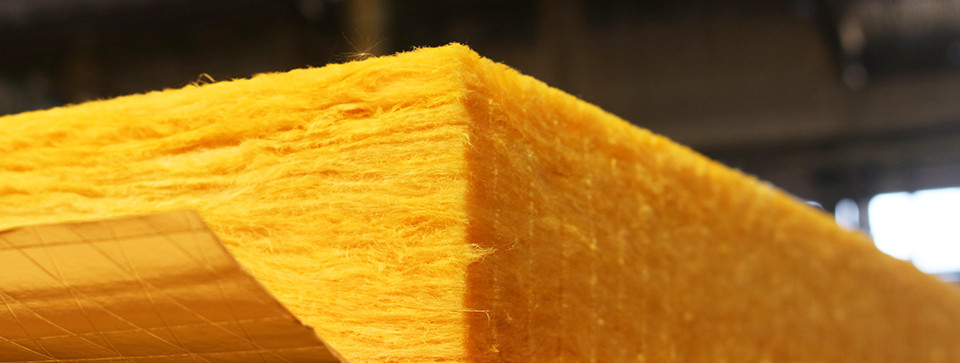
Are you dealing with soggy, sagging insulation and thinking about replacing your crawlspace insulation right now? As a trusted supplier, we speak with customers tackling this mess every day and know that old fiberglass can host mold and trap moisture, which ultimately hurts your indoor air quality. Below, we will point out the signs to watch for, the risks to avoid, and the safe removal steps you should take so you can pick a more moisture-resistant option. Read on to learn more.
Signs That Old Fiberglass Insulation Needs Removal
Fiberglass under your floor can hide unpleasant surprises. Sometimes you might notice a musty smell or spot damaged patches right next to the HVAC ducts and foundation walls.
Mold Growth
You will often find moldy fiberglass in crawlspaces under floor joists and near water pipes. While fiberglass itself is inorganic, it traps moisture easily, and the accumulated dirt or paper backing provides the perfect food source for mold growth. Mold spores can easily spread into the HVAC system and living spaces from these compromised areas. That spread harms indoor air quality and can cause respiratory issues for children and adults in your home.
Treating the removal of old fiberglass insulation is the first step to achieving a healthy crawlspace. Moisture retention in old insulation causes mold and structural damage to the foundation and flooring structure. We recommend replacing it with a moisture-resistant insulation option and adding a high-quality vapor barrier provided by Walder Foundation Products. Following strict moisture control, waterproofing, and filtration standards will protect your air ducts and keep utility bills down.
Insect Infestations
Old fiberglass insulation can become a haven for pests. Rodents, termites, and other critters may find comfort in this degrading material. They create nests, which adds more damage to your crawlspace conditions. The moisture from old insulation draws bugs like ants and roaches directly into your home.
These infestations lead to more than just creepy-crawlies because they also severely affect the air quality inside. Dealing with insect infestations is not just an inconvenience because it poses real health risks too. Pests spread allergens and diseases throughout your space, making it harder to breathe easily. You must take action to remove any aged or moist insulation before these creatures make themselves at home permanently. Addressing this issue early can protect both your health and property value as you focus on improving the energy efficiency of the home.
Structural Damage
Old insulation can lead to serious structural damage. Moisture from deteriorating fiberglass creates a haven for pests, which further weakens your crawlspace. As pests invade, they chew through materials, risking the integrity of support beams and walls. This is no small issue, as it compromises not just the insulation but the entire structure of the home.
Crawlspaces are often overlooked, and it is easy to forget how vital their health is to a house. Ignoring signs like bowing walls or sagging floors can lead to major repairs later on. Regular inspections help spot these problems early and save you from extensive fixes in the future. Taking action now ensures that your indoor air quality remains safe and sound while also contributing to better building sustainability.
Risks of Keeping Old Fiberglass Insulation
Old fiberglass insulation can hold onto moisture like a sponge. This leads to mold growth and can ruin your indoor air quality. Leaving that outdated material tucked away in a crawlspace puts your health at risk. It is not just about comfort, but it is absolutely crucial for your overall well-being too.
Moisture Retention
Moisture retention in crawlspaces can lead to serious problems. Old fiberglass insulation traps moisture easily, creating a damp environment that promotes mold growth. This can affect both the structure of a home and your health. Such conditions create perfect breeding grounds for allergens and pests.
Keeping that old insulation also risks compromising your indoor air quality. Moisture accumulation contributes to structural damage over time as well, slowly weakening the wooden beams and joists beneath your feet. To tackle this issue, effective moisture control measures like vapor barriers or proper dehumidification systems must be implemented. Addressing these issues promptly helps maintain a healthy crawlspace while protecting your living areas from further harm.
Compromised Indoor Air Quality
Old fiberglass insulation invites serious trouble into a home. Mold thrives in damp spaces, significantly reducing your indoor air quality. People often breathe in these harmful spores without realizing it, which can lead to respiratory issues and other health problems. Allergens from degraded materials float around the home too, causing sneezing, coughing, or worse for residents suffering from allergies.
Moisture retention worsens the situation faced in crawlspaces. Poor ventilation keeps humid air trapped inside, creating a breeding ground for pests like mice or insects. These critters disrupt your peace of mind and also add to the allergens circulating through your living spaces. Replacing old fiberglass quickly improves your air quality and reduces health risks for you and your loved ones.
Steps to Remove Old Fiberglass Safely
Removing old fiberglass insulation requires absolute caution. When tackling this essential task, it is important to check for hidden problems in the crawlspace before starting. Inspecting for moisture or pests keeps the environment safe while you work.
Wear Protective Gear
Safety must be prioritized when removing old fiberglass insulation. The right gear protects against mold, allergens, and irritating fibers. Start with heavy-duty gloves to keep your hands safe from sharp edges and harmful materials. Protective eyewear is always necessary to prevent dust and particles from getting into your eyes during removal. It is also important to wear dust masks or respirators to block out fine particles, making the air easier to breathe.
Long-sleeved shirts help protect your skin from cuts and exposure to fiberglass fibers. Kneepads are essential when crawling around in tight spaces because they cushion your knees and make the job easier to navigate. An attic light brightens the area, allowing clear vision while working in the dark. Gather utility knives for cutting insulation safely and use tape measures to ensure accurate cuts and fits during the new installation. Using these items makes the removal process safer and ensures a clean start for your crawlspace project using supplies from Walder Foundation Products.
Inspect for Underlying Issues
It is crucial to check for underlying issues before installing new insulation. This step safeguards your home against future problems. Carefully check for moisture issues inside the crawlspace, as moisture often leads to mold growth and can weaken a building’s structure over the long run. Also, look for any signs of leaks from plumbing or other sources. Even small leaks can create significant problems later on, especially if they are not addressed quickly.
Be sure to search for structural damage in the walls and supports. Bowing walls indicate serious issues that need fixing before adding new insulation. Identify any pest infestations, such as rodents or insects, because their nests can cause damage to insulation and compromise air quality. Thoroughly inspect the existing fiberglass insulation, and if it shows signs of wear or damage, complete removal becomes essential. Consider implementing moisture control measures like the high-quality vapor barriers we supply after removing the old insulation. This step helps keep the crawlspace dry and prevents future moisture-related problems. Finally, document all findings during your inspections to plan effective remediation steps. A detailed record helps ensure nothing is overlooked, protecting your investment and addressing potential challenges upfront.
Conclusion
Removing old fiberglass insulation clears the path for a healthier crawlspace. This crucial step helps avoid the mold, pests, and allergens that can harm your indoor air quality. A clean space sets the stage for new, modern insulation and encapsulation materials to do their job effectively. By starting fresh, your home's energy efficiency is enhanced and the structure is protected. Let’s get you equipped with the right supplies to take action now for better living conditions below your floors!
LATEST NEWS
Dry Rot vs. Wet Rot: Identifying Subfloor Wood Decay Before Installing Secondary Supports
Dry Rot vs. Wet Rot: Identifying Subfloor Wood Decay Before Installing Secondary Supports Are your s...
Banishing the Musty Smell: A Homeowner's Guide to Eliminating Crawl Space Odors
At Walder Foundation Products, we know that many homeowners notice a musty smell rising through thei...
Why Removing Old Fiberglass is the First Step to a Healthy Crawlspace
Are you dealing with soggy, sagging insulation and thinking about replacing your crawlspace insulati...
Upgrade Your Crawl Space Door: Stop Pests and Moisture in One Weekend
Are pests and moisture sneaking in through old crawl space doors? We saw the same problem and dug in...
Camel Crickets, Silverfish, and Spiders: What Crawl Space Bugs Reveal About Hidden Humidity
Homeowners often worry about bugs in a damp crawl space. At Walder Foundation Products, we provide t...
Crawl Space Encapsulation 101: Choosing the Right Vapor Barrier Thickness
Are you seeing moisture seeping into your home through the crawl space and leaving wood damp and mol...