
5 Hidden Signs of Sump Pump Failure Before a Flood Happens
5 Hidden Signs of Sump Pump Failure Before a Flood Happens
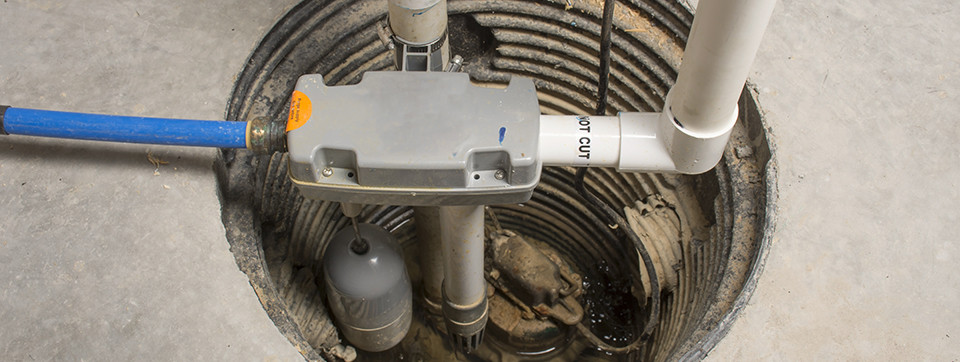
You want to protect your home from basement water and spot sump pump failure signs before a flood happens. From our extensive experience supplying installation and repair gear at Walder Foundation Products, we find most pumps last seven to ten years, so a battery backup can keep your basement dry during a power outage. At Walder Foundation Products, we recommend watching for five hidden warning signs. These include a stuck or misaligned float switch, unusual grinding or rattling noises, a slow or weak pump cycle, clogged or frozen discharge lines, and visible corrosion on the pump or fittings. Catching these early lets you act before water reaches the foundation and reduces the effort required for major repairs. Keep reading to learn how to safeguard your home.
Sump Pump Runs Continuously
A sump pump that runs nonstop often signals a bad float, a stuck switch, or motor failure. We frequently find stuck impellers or a clogged intake screen that keeps the pump running even when the pit water level never drops. In high water table areas, we see homeowners having to replace their retail units every one to two years because debris and clogs continuously ruin performance. You should source a heavy-duty replacement pump if your current unit keeps tripping your breaker or if an undersized model simply cannot keep up with water intrusion.
We recommend testing the check valve and the discharge line next. For homes facing frequent cycling, we stock high-quality pumps and reliable battery backup systems designed to handle heavy loads. Short cycling and nonstop running are clear warning signs that your equipment is struggling. Homeowners' insurance claims for basement flooding rise dramatically when a drainage system fails, which is why we advise adding a battery backup system or a larger capacity pumping option from our store to safeguard your home against water damage.
Unusual Noises or Vibrations
Your ears can tell you a lot about the health of your system. You should listen closely for grinding, humming, or buzzing. Grinding often indicates a worn bearing or impeller damage, while humming or buzzing may point to clogged parts or a failing drive unit. Vibration can loosen fittings and lead to leaks in the discharge pipe or pump housing. While you can tighten accessible fittings lightly and clean the impeller with a soft brush, you should look into replacing failing components if these noises persist.
At Walder Foundation Products, we treat strong vibration as a major red flag. Excessive shaking usually signals an unbalanced, misaligned, or insecurely placed pump, which will cut performance and accelerate wear. Debris in the sump or blocked lines often causes these noises while simultaneously blocking water flow. Persistent noise or a burning smell can signal serious electrical or motor trouble that requires an immediate replacement unit. We love teaching our customers how to tell if a sump pump is broken so they can spot the signs of a failing unit in their basements or crawl spaces and pick up the right replacement parts before disaster strikes. It is vital to act fast whenever the pump sounds wrong.
Float Switch Malfunctions
Float switches play a vital role in proper operation because they control when the pump turns on to manage water levels effectively. If the float switch gets stuck or blocked by debris, the pump may not activate when you need it most. Short cycling can also occur due to a malfunctioning float switch, causing the system to run continuously. Testing this is simple since you can pour water into the pit and observe how the float responds.
You should always check if the float moves freely without any hindrance. If it remains misaligned or obstructed, activation fails altogether, indicating that you need a replacement switch or a new assembly from Walder Foundation Products. Ignoring these signs could lead straight to severe flooding during heavy rains.
Clogs or Blocked Discharge Lines
Clogs or blocked discharge lines can spell major trouble for your home. You will often notice rising water levels in the pit when something goes wrong. Seeing the pump running while no water actually leaves the line should raise immediate red flags. A blockage means the system cannot effectively move water away from your property, which risks severe flooding if backflow occurs and pushes water toward your foundation.
You should inspect both the intake screen and discharge pipe regularly, as a simple rinse of these parts can reveal hidden clogs that hinder overall performance. If you cannot clear a blockage yourself with basic maintenance tools, upgrading your piping and filtration fittings at Walder Foundation Products is necessary to prevent further issues and ensure proper drainage during heavy rainfalls. It is essential to direct all discharged water at least ten feet away from your foundation to keep the structure completely safe from pooling.
Visible Damage or Corrosion
Visible damage or corrosion on your equipment alerts you to potential mechanical concerns. Cracks in the casing, rust spots, or worn-out components all indicate that your system may not function reliably. Many homeowners overlook these structural issues until a major storm hits. Pumps older than ten years face a much greater chance of malfunctioning even if they seem to operate properly at the moment, so regular visual checks help you spot problems early.
Corrosion usually signifies prolonged exposure to moisture and can lead to sudden electrical and mechanical failures down the road. Furthermore, constant vibration from an unsteady pump causes physical damage over time, which creates leaks and serious structural threats to your home. Inspecting the lines is equally important because rust or cracks along the discharge pipe harm overall performance. Purchasing high-grade, corrosion-resistant products from Walder Foundation Products helps maintain your system and keeps your basement perfectly dry during heavy rains.
Conclusion
We have explored five hidden signs of sump pump failure to help you protect your property. Always pay close attention to how your equipment behaves. If it operates continuously or makes strange noises, something is definitely wrong. Routine inspections can save you from the massive headache of a flooded basement later on. Let's stay proactive together and ensure you have the right gear to keep your home entirely dry and secure.
Frequently Asked Questions
How can you tell if a sump pump is broken?
You should listen closely for loud grinding or squealing noises coming from the pit. A broken pump may run constantly without stopping or fail to start altogether. You can also check for unusual standing water in the basin or a repeatedly tripped breaker. If the pump motor emits a hot or burning smell, you should look into purchasing a replacement unit right away.
What are the main signs of a failing sump pump?
Short, choppy operational cycles and exceptionally long runs are clear red flags that something is wrong. The float switch may become stuck, the internal impeller can clog with debris, or critical metallic parts might rust over time. It helps to think of a failing pump like an exhausted runner who can no longer keep up with the pace of incoming water.
Is it possible to spot these problems before a flood occurs?
Yes, you can easily stay ahead of failures by testing the unit once a month. Simply pour a large bucket of water into the pit, then watch how the pump reacts and listen for any odd sounds. Our store team at Walder Foundation Products has seen this simple proactive test save countless lower levels from devastating water damage by alerting homeowners that it's time for a new pump.
Who should you call when your system needs attention?
When your system shows signs of failure, you should bypass generic big-box store advice and consult a specialized supplier like Walder Foundation Products. Our product experts can help you select the exact electrical wiring components, matching backup battery systems, and structural pump motor upgrades needed to ensure your home stays fully protected.
LATEST NEWS
Dry Rot vs. Wet Rot: Identifying Subfloor Wood Decay Before Installing Secondary Supports
Dry Rot vs. Wet Rot: Identifying Subfloor Wood Decay Before Installing Secondary Supports Are your s...
Banishing the Musty Smell: A Homeowner's Guide to Eliminating Crawl Space Odors
At Walder Foundation Products, we know that many homeowners notice a musty smell rising through thei...
Why Removing Old Fiberglass is the First Step to a Healthy Crawlspace
Are you dealing with soggy, sagging insulation and thinking about replacing your crawlspace insulati...
Upgrade Your Crawl Space Door: Stop Pests and Moisture in One Weekend
Are pests and moisture sneaking in through old crawl space doors? We saw the same problem and dug in...
Camel Crickets, Silverfish, and Spiders: What Crawl Space Bugs Reveal About Hidden Humidity
Homeowners often worry about bugs in a damp crawl space. At Walder Foundation Products, we provide t...
Crawl Space Encapsulation 101: Choosing the Right Vapor Barrier Thickness
Are you seeing moisture seeping into your home through the crawl space and leaving wood damp and mol...