
Fixing High Humidity in Crawlspaces: Step-by-Step Guide.
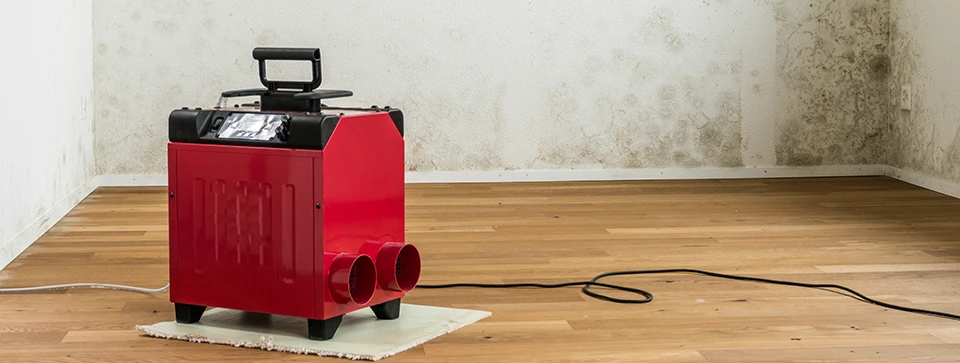
Fixing High Humidity in Crawlspaces: Step-by-Step Guide.
High humidity in your crawlspace can quietly damage your home long before you notice visible signs. Moisture buildup leads to mold growth, wood rot, poor indoor air quality, and even higher energy bills. Because air movement is responsible for over 98% of water vapor traveling through a structure, controlling that movement is key to protecting your foundation and living space.
Assess the Humidity Level in Your Crawlspace
Check your crawlspace using a hygrometer, which measures relative humidity. You should also look for warning signs such as mold growth, wood rot fungus, or strong musty odors, as these indicate excess moisture and the need for corrective action.
Using a hygrometer alongside a thermometer allows you to understand how much moisture is present relative to the air’s capacity. Since warmer air holds more moisture, comparing humidity readings with the dew point helps predict where condensation may occur. Condensation often forms on cooler surfaces, which can lead to wet insulation, structural damage, and ongoing crawlspace moisture issues. Tracking these conditions over time provides better insight into effective moisture control strategies.
High humidity can cause serious issues, so identifying early warning signs is important. Musty odors often indicate hidden moisture problems, while peeling paint or wallpaper suggests persistent dampness. Visible mold growth signals a more severe issue that can impact indoor air quality. Condensation on pipes or windows is another indicator of excess humidity and may lead to water damage. In some cases, damp indoor conditions or difficulty opening windows and doors can also point to moisture problems originating in the crawlspace. Most moisture enters through air leaks or capillary action rather than simple diffusion, so addressing root causes is essential.
Address Water Intrusion Issues
Inspect your crawlspace for water intrusion sources, including plumbing leaks and drainage problems. Carefully check pipes, fittings, and surrounding areas for visible moisture, stains, or dripping sounds. An unexpected increase in your water bill can also indicate hidden leaks. Using a flashlight to examine hard-to-see areas can help identify damp spots early. Any leaks should be repaired immediately to prevent mold growth and structural damage.
Ensure proper drainage around the foundation
Good drainage is key to reducing humidity in crawlspaces. Properly directing water away from your home protects it from moisture damage. Make sure the ground slopes away from your foundation so water does not collect near the crawlspace. Gutters and downspouts should be clear, properly attached, and connected to a drainage system that moves rainwater away from the house.
Drainage swales can also help guide rainwater away from the foundation and prevent pooling. In some cases, foundation drains or perforated drainpipes may be needed to manage groundwater. Regularly checking gutters, downspouts, and landscaping helps keep water moving away from the home and reduces the risk of crawlspace humidity problems.
Install a Vapor Barrier
Installing a vapor barrier is a critical step in controlling crawlspace humidity. Polyethylene sheeting should be laid across the entire ground surface to block moisture from rising into the space. A thickness of at least 6 mil is recommended for durability and effectiveness. Seams should overlap sufficiently, and all edges must be sealed with appropriate tape to prevent moisture penetration. Regular inspections are necessary to ensure the barrier remains intact and free of damage.
Seal gaps and overlaps in the barrier
Sealing gaps and overlaps is just as important as installation. The barrier should extend slightly up the walls and be secured tightly to create a continuous seal. Areas around pipes, vents, and other penetrations must be carefully sealed to prevent moisture intrusion. Over time, these sealed areas should be checked and maintained to ensure continued performance.
Improve Ventilation
Proper ventilation plays a major role in reducing crawlspace humidity. Installing vents allows fresh air to enter and stale air to exit, helping maintain a balanced environment. Fans can further enhance airflow by actively pushing out moist air and bringing in drier air from outside. Placement of these systems should be strategic to ensure full coverage of the crawlspace.
Consider a crawlspace dehumidifier
In cases where ventilation alone does not sufficiently reduce humidity, a dehumidifier can be added. This device removes excess moisture from the air, helping to maintain safe humidity levels and reduce the risk of mold growth. Consistent monitoring after installation ensures the system is functioning effectively and maintaining the desired conditions.
Encapsulation for Long-Term Protection
Encapsulation keeps your crawl space dry for years. A good system seals off ground moisture and outside air, which helps to prevent mold and decay. You can ask a pro to install this type of protective barrier effectively—protecting not just the crawl space, but also your whole home!
Fully seal the crawlspace with a professional encapsulation system
Encapsulation provides a long-term solution by fully sealing the crawlspace from external moisture. This process involves installing heavy-duty moisture barriers on floors and walls, sealing vents, and closing any openings to the outside. By creating a controlled environment, encapsulation significantly reduces humidity and protects the structure from water damage.
Encapsulation can also improve indoor air quality and energy efficiency when combined with insulation. Regular inspections, typically every six months, help ensure the system continues to perform effectively and keeps the crawlspace dry over time.
Conclusion
Fixing high humidity in crawlspaces is critical for your home’s health. Follow the steps outlined to measure moisture, check for leaks, and improve ventilation. Adding a vapor barrier will help too.
These actions can reduce mold growth and keep pests away. Implement these tips to create a dry, safer space beneath your home!
LATEST NEWS
Dry Rot vs. Wet Rot: Identifying Subfloor Wood Decay Before Installing Secondary Supports
Dry Rot vs. Wet Rot: Identifying Subfloor Wood Decay Before Installing Secondary Supports Are your s...
Banishing the Musty Smell: A Homeowner's Guide to Eliminating Crawl Space Odors
At Walder Foundation Products, we know that many homeowners notice a musty smell rising through thei...
Why Removing Old Fiberglass is the First Step to a Healthy Crawlspace
Are you dealing with soggy, sagging insulation and thinking about replacing your crawlspace insulati...
Upgrade Your Crawl Space Door: Stop Pests and Moisture in One Weekend
Are pests and moisture sneaking in through old crawl space doors? We saw the same problem and dug in...
Camel Crickets, Silverfish, and Spiders: What Crawl Space Bugs Reveal About Hidden Humidity
Homeowners often worry about bugs in a damp crawl space. At Walder Foundation Products, we provide t...
Crawl Space Encapsulation 101: Choosing the Right Vapor Barrier Thickness
Are you seeing moisture seeping into your home through the crawl space and leaving wood damp and mol...