
Vapor Barriers vs. Full Encapsulation: Which One Does Your Home Actually Need?
Homeowners often ask whether to choose crawlspace encapsulation or just a vapor barrier for a wet, musty crawl space. We faced the same decision, researched our options, and found that a relative humidity reading under 50% usually means a vapor barrier will do the job. At Walder Foundation Products, we will show how a vapor barrier, full crawlspace encapsulation, a dehumidifier, a sump pump, and proper drainage work together to control crawlspace moisture, improve indoor air quality, and boost energy efficiency. Read on to pick the right solution for your home.
What Is a Vapor Barrier?
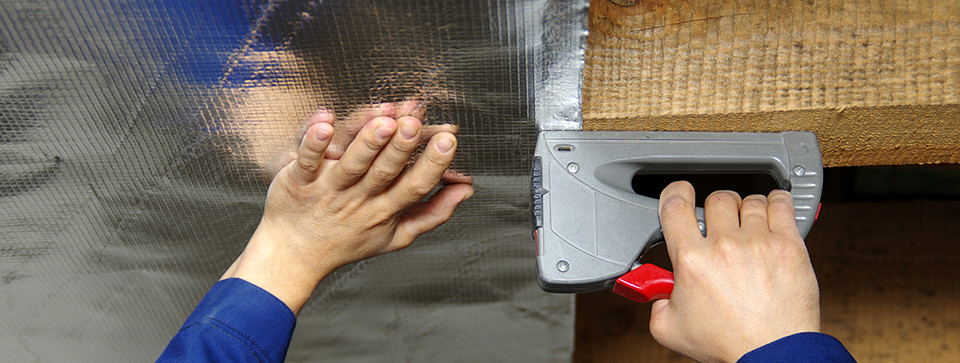
A vapor barrier keeps ground moisture out, but it does not stop pooled water. We install a vapor barrier as a plastic lining that often comes in heavy-duty sheets. We lay it across the crawl space floor to block water vapor from soil. The lining usually covers dirt floors and extends up walls and columns.
Walder Foundation Products uses high-quality sheets with a reflective white side for visibility and a dark side for enhanced function. That layer helps with crawl space moisture control and crawl space humidity solutions, and it can cut energy bill impacts by reducing heat loss to the ground. The barrier defends mainly against vapor, not pooled water. It can improve air quality, slow mold growth, stop wood rot, and deter pests.
Some homeowners still use loosely laid plastic sheeting, and the barrier can work even if it is not fully attached to walls. We pair vapor barriers with insulation, HVAC adjustments, or advanced waterproofing and foundation repair plans across our service markets.
What Is Full Encapsulation?
Full encapsulation involves covering every inch of soil and walls with heavy-duty vapor barrier material. This system requires sealing vents to tie the crawl space into the building envelope. The process involves removing old insulation and sealing vents with rigid foam or concrete blocks. We supply 12mm or 20mm vapor barriers for floors and walls, along with humidity control units and sump pumps to complete the system.
Our products follow industry best practices. By replacing wet insulation and lowering air moisture with encapsulation materials, homeowners can protect ductwork and stop dry rot in wood framing. This system helps reduce energy bills for heating and cooling. We provide the right equipment to prevent water pooling and recommend routine inspections to maintain the system. We treat crawl space encapsulation as a full system rather than just a sheet of plastic.
Key Differences Between Vapor Barriers and Full Encapsulation
Vapor barriers and full encapsulation serve different needs, so we should evaluate their thickness, durability, moisture control, and installation process. Each option has its strengths and weaknesses that can affect our homes in various ways. Curious about which one fits your situation? Keep reading!
Thickness and Durability
We compare thickness and durability, so you can pick the right material for your project. A standard vapor barrier typically consists of a polyethylene sheet, while full encapsulation utilizes a composite system featuring a specialized sealant layer and a non-woven fabric top layer. Encapsulation liners are significantly thicker and more robust than standard barriers.
The performance standards reflect this difference, as standard barriers are rated for general crawl space use while encapsulation systems are engineered for heavy-duty protection. This results in higher puncture resistance for encapsulation, making the material capable of resisting harsh conditions compared to the light or moderate foot traffic suitability of a standard barrier. Furthermore, encapsulation systems provide hydrostatic resistance and self-healing capacities that standard barriers lack. While a standard barrier provides a basic defense against pests, the sealant layer in a full encapsulation system adds enhanced termite resistance. Finally, while thin sheets can be susceptible to stress, the materials used in encapsulation are built for demanding environments and can absorb movement or heal minor damage.
Moisture and Humidity Control
We focus on the effectiveness of moisture and humidity control in crawlspaces. A vapor barrier is designed to stop ground moisture from rising into the crawlspace, which is often adequate if the relative humidity remains at 50% or less. Full encapsulation materials seal vents and walls and are meant to be paired with a dehumidifier to actively regulate humidity within healthy ranges long term.
A vapor barrier works well as a passive solution when average crawlspace humidity stays at or below 50 percent, but encapsulation materials are better for consistently wet spaces where humidity sits at 70 percent or higher. While a barrier only blocks moisture from the soil, an encapsulation system manages soil moisture, outside humidity, duct condensation, and flood entry. In terms of durability, thin sheets require more frequent monitoring, whereas thicker liners and sealed seams resist damage and reduce the need for maintenance. This directly impacts health and structure, as encapsulation materials help prevent mildew, mold, and soft floors by controlling air leaks that a simple barrier might miss. While a vapor barrier is faster to set up, it requires proper overlap and sealing, whereas the more involved encapsulation process yields greater long-term control.
Pros and Cons of Vapor Barriers
Vapor barriers offer a range of advantages for the budget-conscious homeowner. The process is straightforward and causes minimal disruption. Providing proper materials leads to improved air quality and better energy efficiency while protecting the structure’s durability.
On the other hand, these barriers have limitations. They do not provide complete moisture protection, as water can move around them if conditions are right. In areas with high moisture levels, vapor barriers are often less effective than full encapsulation methods. While they may help prevent mold and pest issues when used correctly, prolonged humidity or pooling water makes them far less effective at controlling moisture levels.
Pros and Cons of Full Encapsulation
Full encapsulation brings many advantages. It dramatically improves air quality in a home, making breathing easier for everyone. Homeowners enjoy better durability and energy efficiency with this system, often reducing heating and cooling expenses significantly. Pest resistance is another perk, keeping unwanted critters at bay. Moreover, encapsulation materials create potential storage space in the crawlspace.
On the flip side, full encapsulation comes with a requirement for regular inspections to ensure the mechanical systems are functioning. Upgrading HVAC systems might be needed to account for the new environment. The process also requires more labor and time to complete everything thoroughly.
Conclusion
Deciding between a vapor barrier and full encapsulation can feel tough. Each option has strengths and weaknesses that fit different needs. If crawl space humidity sits low, a vapor barrier works fine. For high moisture, the whole encapsulation package with dehumidifiers and sump pumps is the better choice. Ultimately, keeping a home safe from water damage with quality products is always worth the effort!
LATEST NEWS

Vapor Barriers vs. Full Encapsulation: Which One Does Your Home Actually Need?
Homeowners often ask whether to choose crawlspace encapsulation or just a vapor barrier for a wet, m...
Fixing High Humidity in Crawlspaces: Step-by-Step Guide.
Fixing High Humidity in Crawlspaces: Step-by-Step Guide. High humidity in your crawlspace can quietl...

Why Your Crawl Space Attracts Pests and How to Fix It
Why Your Crawl Space Attracts Pests and How to Fix It Fast with Crawl Space Moisture Control Crawl s...
Mold Inspection Checklist
Mold Inspection Checklist Every Homeowner Needs for Effective Crawl Space Mold Prevention Mold can p...

The Hidden Connection Between Crawl Space Air and Indoor Air Quality
The Hidden Connection Between Crawl Space Air and Indoor Air Quality The quality of air in our homes...

Crawl Space Jacks: Essential Installation Guide for Homeowners
Crawl Space Jacks: Essential Installation Guide for Homeowners Crawl space jacks are vital for maint...