
Why Your Crawl Space Attracts Pests and How to Fix It
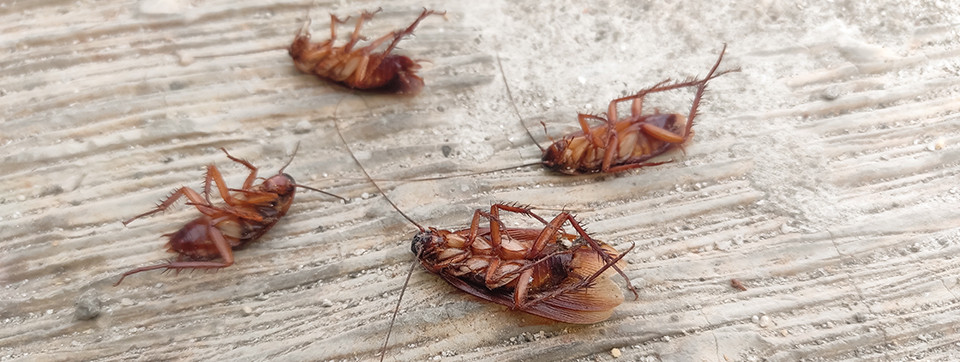
Why Your Crawl Space Attracts Pests and How to Fix It Fast with Crawl Space Moisture Control
Crawl spaces are often overlooked areas of a home, yet they can become breeding grounds for pests if not properly maintained. Understanding why these spaces attract pests is crucial for homeowners looking to protect their property. This article will explore the environmental and structural factors that contribute to pest infestations in crawl spaces, as well as effective moisture control solutions to mitigate these issues. By addressing the root causes of pest attraction, homeowners can implement strategies to keep their crawl spaces pest-free. We will cover the signs of pest infestations, the role of moisture control, sealing techniques, and fast remediation solutions.
What Causes Pest Infestations in Crawl Spaces?
Pest infestations in crawl spaces are primarily driven by environmental conditions and structural vulnerabilities. High moisture levels, poor ventilation, and gaps in the building structure create an inviting habitat for various pests, including rodents, termites, and insects. Understanding these factors is essential for effective pest management and prevention.
How Do Moisture and Mold Attract Crawl Space Pests?
Moisture serves as a breeding ground for pests, while mold acts as a food source for many insects. When humidity levels rise in crawl spaces, it creates an ideal environment for mold growth, which can attract pests like termites and cockroaches. These pests thrive in damp conditions, making moisture control a critical aspect of pest prevention.
Which Structural Vulnerabilities Invite Rodents and Termites?
Structural vulnerabilities such as cracks in the foundation, gaps in insulation, and inadequate ventilation can allow pests to enter crawl spaces. Rodents can squeeze through small openings, while termites can exploit wood that is in contact with moist soil. Regular inspections and maintenance of these structural elements are vital to prevent pest entry.
What Are the Common Signs of Pests in Your Crawl Space?
Identifying pest infestations early can save homeowners from significant damage and costly repairs. Common signs of pests in crawl spaces include droppings, gnaw marks, and nesting materials. Recognizing these indicators can help in taking timely action to address the problem.
How to Identify Rodent, Termite, and Insect Infestations Quickly
To quickly identify infestations, homeowners should look for visual signs such as droppings, which are often found near food sources or nesting areas. Termite damage can be identified by hollow-sounding wood or mud tubes along foundation walls. Insects may leave behind shed skins or visible nests, indicating their presence.
What Damage Do Crawl Space Pests Cause to Your Home?
Pests in crawl spaces can cause significant damage to a home’s structure and pose health risks to its occupants. Rodents can chew through electrical wiring, leading to fire hazards, while termites can compromise the integrity of wooden structures. Additionally, pests can introduce allergens and pathogens into the living environment, affecting indoor air quality.
How Can Crawl Space Moisture Control Prevent Pest Problems?
Effective moisture control is essential for preventing pest problems in crawl spaces. By managing humidity levels and reducing moisture accumulation, homeowners can create an environment that is less conducive to pest infestations. Implementing moisture control solutions can significantly reduce the risk of pest attraction.
What Are Effective Crawl Space Ventilation Solutions?
Proper ventilation is crucial for maintaining low humidity levels in crawl spaces. Solutions such as installing vents, using exhaust fans, and ensuring adequate airflow can help reduce moisture buildup. These methods not only improve air quality but also deter pests from making the crawl space their home.
How Does Installing a Crawl Space Vapor Barrier Help?
A crawl space vapor barrier is an effective solution for moisture control. It prevents ground moisture from evaporating into the crawl space, thereby reducing humidity levels. Installing a vapor barrier can significantly decrease the likelihood of mold growth and pest attraction, making it a valuable investment for homeowners.
How to Seal Your Crawl Space to Keep Pests Out?
Sealing crawl spaces is a proactive approach to pest prevention. By addressing entry points and ensuring that the space is properly sealed, homeowners can effectively keep pests out. This process involves using appropriate materials and techniques to create a barrier against pests.
What Materials and Techniques Are Best for Crawl Space Sealing?
The best materials for sealing crawl spaces include caulk, foam insulation, and metal mesh. Techniques such as sealing cracks, insulating pipes, and covering vents can help create a pest-proof environment. Homeowners should also ensure that any gaps around doors and windows are properly sealed to prevent pest entry.
How Does Crawl Space Insulation Affect Pest Activity?
Crawl space insulation plays a significant role in pest activity. Proper insulation can help regulate temperature and humidity levels, making the environment less attractive to pests. Additionally, insulating the crawl space can prevent condensation, which is a common cause of moisture buildup and subsequent pest problems.
What Fast Fix Solutions Can You Use for Immediate Pest Remediation?
When pests are detected in crawl spaces, quick action is necessary to mitigate damage. Fast fix solutions can provide immediate relief while longer-term strategies are implemented. Homeowners should be aware of effective methods for rapid pest control.
How Do Dehumidifiers and Chemical Treatments Work in Crawl Spaces?
Dehumidifiers are effective tools for reducing humidity levels in crawl spaces, making them less hospitable to pests. Chemical treatments can also be applied to eliminate existing infestations. These methods should be used in conjunction with moisture control strategies for optimal results.
When Should You Call Professionals for Crawl Space Pest Control?
Homeowners should consider calling professionals for pest control when infestations are severe or persistent. Signs that require professional help include extensive damage, large populations of pests, or difficulty in identifying the source of the problem. Professionals can provide targeted treatments and long-term solutions to ensure a pest-free environment.
How to Maintain a Pest-Free Crawl Space Long-Term?
Long-term maintenance is essential for keeping crawl spaces pest-free. Regular inspections and proactive measures can help prevent future infestations. Homeowners should establish a routine for monitoring and maintaining their crawl spaces.
What Regular Maintenance Prevents Moisture and Pest Recurrence?
Routine maintenance tasks such as checking for leaks, cleaning gutters, and ensuring proper drainage can prevent moisture buildup. Homeowners should also inspect insulation and sealing regularly to identify any potential vulnerabilities that could invite pests.
LATEST NEWS
Why Your Crawl Space Attracts Pests and How to Fix It
Why Your Crawl Space Attracts Pests and How to Fix It Fast with Crawl Space Moisture Control Crawl s...
Mold Inspection Checklist
Mold Inspection Checklist Every Homeowner Needs for Effective Crawl Space Mold Prevention Mold can p...

The Hidden Connection Between Crawl Space Air and Indoor Air Quality
The Hidden Connection Between Crawl Space Air and Indoor Air Quality The quality of air in our homes...

Crawl Space Jacks: Essential Installation Guide for Homeowners
Crawl Space Jacks: Essential Installation Guide for Homeowners Crawl space jacks are vital for maint...
How to Install Your Crawl Space Door: A DIY Guide for Homeowners
How to Install Your Crawl Space Door: A DIY Guide for Homeowners Installing a crawl space door is a...

How a Crawlspace Dehumidifier Transforms Crawlspace Health for Homeowners
How a Crawlspace Dehumidifier Transforms Crawlspace Health for Homeowners Crawlspaces are often over...