
Why Professional Vapor Barrier Installation Outperforms DIY
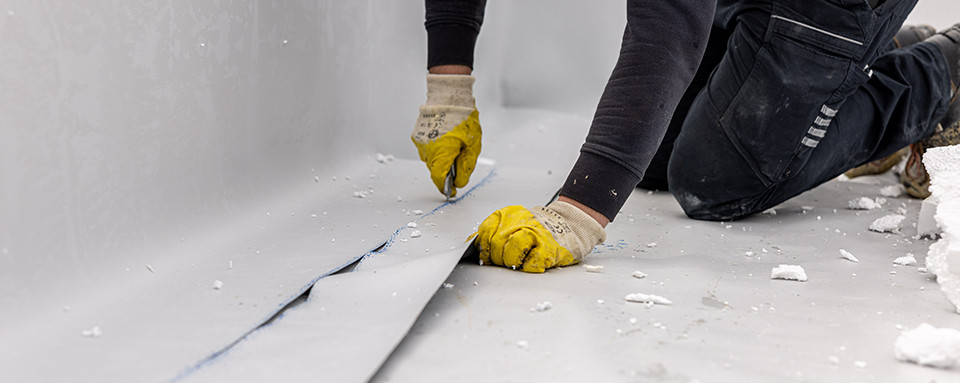
A vapor barrier is a durable membrane installed in crawl spaces and under slabs that prevents soil moisture from entering the home, and professional vapor barrier installation outperforms DIY by combining accurate diagnosis, material selection, and sealed-system techniques that reliably reduce humidity and protect structure. This article explains what a vapor barrier does, why DIY attempts commonly fail, and how certified installers use professional-grade materials, seam-sealing, and integrated moisture-control systems to deliver long-term results. Homeowners will learn the main DIY risks, the measurable advantages of professional services, the ways encapsulation improves energy efficiency and indoor air quality, and realistic cost expectations that weigh lifetime value versus upfront expense. If you want a clear decision framework for choosing between DIY and professional crawl space moisture control solutions, this guide walks through mechanisms, outcomes, and the questions to ask when evaluating quotes.
What Are the Main Risks of DIY Crawl Space Vapor Barrier Installation?
A DIY vapor barrier attempt often fails because gaps, inadequate overlaps, and poor sealing allow groundwater vapor and humidity to bypass the membrane, which undermines the barrier’s purpose and accelerates mold growth and structural decay. Incorrect anchoring and improper material selection increase permeability and create pockets where condensation collects, which then affects insulation and raises HVAC loads. Homeowners attempting DIY frequently underestimate how seams, sill plates, and perimeter transitions require specialized tape, fasteners, and detailing to build a continuous envelope. The next section breaks down how those installation errors directly lead to moisture intrusion and biological growth.
These errors can result in widespread mold colonization, insulation damage, and increased energy bills, so understanding each failure mode helps explain the cost of remediation and why professional techniques differ.
How Does Improper Installation Cause Moisture and Mold Problems?
Improper installation creates moisture pathways when seams are left unsealed or the barrier is loosely anchored, which allows subsurface moisture and humid air to contact cooler surfaces and condense. That condensation raises relative humidity, which encourages mold spores already present in soil or wood to germinate and form colonies on exposed surfaces and insulation. Over time this microbial growth degrades wood framing, reduces insulation R-value, and contributes to poor indoor air quality as spores and VOCs migrate upward into living spaces. Recognizing those moisture mechanics clarifies why a continuous, professionally sealed membrane paired with moisture control equipment is key to preventing reoccurrence.
What Advantages Do Professional Vapor Barrier Installation Services Offer?
Professional vapor barrier installation services deliver measurable advantages through accurate diagnosis, selection of appropriate material thickness and perm ratings, fully sealed seams, and integration with supplemental systems such as dehumidifiers and conditioned crawl space strategies. Certified installers perform moisture mapping and structural assessments to identify remediation needs—such as mold abatement or standing water mitigation—before installing a continuous membrane that is anchored and sealed to the structure. The result is reduced humidity, lower HVAC loads, and decreased risk of mold, rot, and pest habitat, which together translate into long-term protection and predictable performance. After explaining these technical advantages, the next section reviews exactly how experts achieve reliable outcomes and what warranty protections typically accompany professional work.
How Do Experts Ensure Correct Installation and Use Quality Materials?
Experts begin with a site assessment that measures moisture sources, checks for standing water, and evaluates insulation and framing conditions to tailor a solution to the crawl space’s unique needs. Based on that diagnosis they select materials by thickness (mil) and perm rating appropriate for soil moisture and climate, then install the membrane with professionally specified seam tape, mechanical anchors, and sealed transitions at the sill plates and penetrations. Technicians often integrate vapor barrier installation with perimeter drainage correction and dehumidifier placement, ensuring the encapsulated space meets target relative humidity levels year-round. This process-focused approach explains why professional installations deliver predictable results that DIY projects rarely match.
What Warranties and Long-Term Protections Do Professionals Provide?
Professional services typically include workmanship warranties and material guarantees that shift long-term failure risk away from the homeowner and provide documented remedies if issues arise after installation. Warranties often cover seam failures, improper adhesion, and material defects for a specified period (commonly 1 to 10 years depending on provider and product), and some providers offer maintenance plans to monitor humidity and system performance over time. The availability of warranty-backed work reduces the expected lifetime cost and offers homeowners peace of mind by ensuring a single accountable party for remediation rather than repeated DIY fixes. Knowing what warranties cover helps homeowners compare proposals and understand the true value of professional encapsulation.
How Does Professional Crawl Space Encapsulation Improve Energy Efficiency and Indoor Air Quality?
Encapsulation reduces energy loss by limiting the exchange of humid, temperature-variable air between the crawl space and the conditioned living area, which decreases heat transfer through floors and reduces both heating and cooling loads. A sealed crawl space prevents soil moisture and mold spores from entering the home’s breathing zone, producing measurable improvements in indoor air quality and a reduction of musty odors that commonly indicate hidden moisture problems. When combined with targeted dehumidification and insulated perimeter sealing, professional encapsulation stabilizes floor temperatures and reduces HVAC cycling, which can translate into quantifiable utility savings over time. The next subsection links these environmental improvements to reduced biological threats and structural preservation.
In What Ways Does Encapsulation Prevent Mold, Pests, and Structural Damage?
By creating a dry, sealed environment, encapsulation removes the moisture that fuels mold growth and reduces the humidity that sustains pest populations, thereby protecting cellulose materials and insulation from biological degradation. A continuous membrane that is sealed to the sill plates and foundation walls isolates the subfloor from soil moisture, maintaining wood framing within safe moisture content ranges and slowing rot and corrosion. Eliminating damp microclimates also reduces conditions favorable to termites and rodents, making the crawl space less habitable for pests and reducing the need for repeated pest-control interventions. These protective mechanisms show how moisture control directly preserves structural integrity and indoor environmental quality.
How Does Professional Installation Compare to DIY in Terms of Investment and Savings?
Professionally installed encapsulation carries a higher upfront investment but often achieves a lower total cost of ownership by avoiding repeated repairs, reducing mold remediation risk, and improving HVAC efficiency; break-even timelines depend on climate, initial crawl space condition, and energy costs. For example, homes facing chronic humidity or standing water are more likely to recoup professional costs through avoided remediation and lower energy use, whereas an uncomplicated, dry crawl space might see slower payback. Warranties and documented performance reduce uncertainty and can protect value over time, so homeowners should factor warranty terms into ROI calculations. Understanding these comparisons helps determine when the professional route is the financially prudent option.
Conclusion
In conclusion, while DIY vapor barrier installation may seem like a cost-saving option, it often leads to critical failures that result in mold, structural damage, and increased energy bills. Professional vapor barrier installation, conversely, offers a comprehensive solution through expert diagnosis, quality materials, precise sealing, and integrated moisture control systems. These advantages translate into measurable benefits such as improved energy efficiency, enhanced indoor air quality, long-term structural preservation, and increased property value. The initial investment in professional services is justified by robust warranties, reduced risks, and a lower total cost of ownership over the lifespan of your home, providing peace of mind and a healthier living environment.
LATEST NEWS
Mold Inspection Checklist
Mold Inspection Checklist Every Homeowner Needs for Effective Crawl Space Mold Prevention Mold can p...

The Hidden Connection Between Crawl Space Air and Indoor Air Quality
The Hidden Connection Between Crawl Space Air and Indoor Air Quality The quality of air in our homes...
Crawl Space Jacks: Essential Installation Guide for Homeowners
Crawl Space Jacks: Essential Installation Guide for Homeowners Crawl space jacks are vital for maint...
How to Install Your Crawl Space Door: A DIY Guide for Homeowners
How to Install Your Crawl Space Door: A DIY Guide for Homeowners Installing a crawl space door is a...
How a Crawlspace Dehumidifier Transforms Crawlspace Health for Homeowners
How a Crawlspace Dehumidifier Transforms Crawlspace Health for Homeowners Crawlspaces are often over...
Why Professional Vapor Barrier Installation Outperforms DIY
What Vapor Barriers Do and Why Professional Installation Delivers Better Long-Term Result...