
How a Crawlspace Dehumidifier Transforms Crawlspace Health for Homeowners
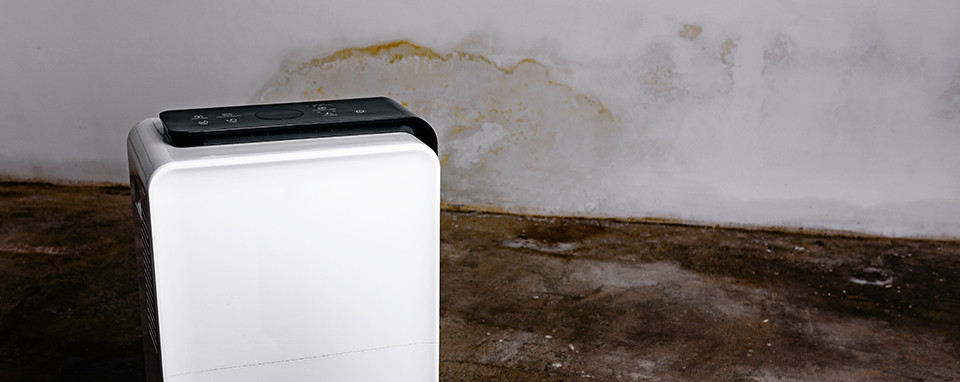
How a Crawlspace Dehumidifier Transforms Crawlspace Health for Homeowners
Crawlspaces are often overlooked areas of a home, yet they play a crucial role in maintaining overall indoor air quality and structural integrity. This article explores how a crawlspace dehumidifier can significantly improve crawlspace health, particularly for homeowners where humidity levels can be a persistent issue. Readers will learn about the causes of crawlspace moisture, the functionality of dehumidifiers, and the health benefits associated with their use. Many homeowners face challenges related to mold growth, pest infestations, and structural damage due to excess moisture. A crawlspace dehumidifier offers a practical solution to these problems, ensuring a healthier living environment. We will delve into the mechanics of dehumidifiers, their benefits, and why homeowners should consider investing in this essential equipment.
What Causes Crawlspace Moisture and Why Is It a Problem?
Crawlspace moisture can arise from various sources, including groundwater seepage, poor ventilation, and high humidity levels. Understanding these causes is essential for homeowners to address moisture issues effectively. Excess moisture in crawlspaces can lead to significant problems, including mold growth, structural damage, and poor indoor air quality.
How Does Climate Increase Crawlspace Humidity?
Climate is characterized by hot, humid summers and cold winters, which can exacerbate crawlspace humidity levels. During the summer months, high outdoor humidity can infiltrate crawlspaces, especially if they are not properly sealed or insulated. Additionally, seasonal rainfall can lead to increased groundwater levels, contributing to moisture accumulation. Homeowners must be aware of these climatic factors to take proactive measures in managing crawlspace humidity.
How Do Crawlspace Dehumidifiers Work to Reduce Humidity?
Crawlspace dehumidifiers are designed to extract excess moisture from the air, creating a healthier environment. These devices operate by drawing in humid air, cooling it to condense moisture, and then expelling drier air back into the crawlspace. This process effectively reduces humidity levels, preventing mold growth and structural damage.
Studies have long explored the effectiveness of dehumidification in managing crawl space humidity, even considering factors like ventilation and climate.
How Does Humidity Reduction Prevent Mold and Pest Infestations?
Reducing humidity levels in crawlspaces is critical for preventing mold and pest infestations. Mold thrives in damp environments, and by maintaining lower humidity, homeowners can significantly reduce the risk of mold growth. Additionally, pests such as termites and rodents are attracted to moist areas. A dehumidifier creates an inhospitable environment for these pests, helping protect the home from infestations.
Research consistently highlights the importance of proactive measures to prevent excessive moisture and subsequent mold growth in crawl spaces.
What Are the Health and Structural Benefits of Using a Crawlspace Dehumidifier?
Using a crawlspace dehumidifier offers numerous health and structural benefits for homeowners. By controlling moisture levels, these devices help maintain a healthier indoor environment and protect the structural integrity of the home.
How Does Mold Prevention Improve Indoor Air Quality?
Mold spores can significantly impact indoor air quality, leading to respiratory issues and allergic reactions. By preventing mold growth through effective humidity control, crawlspace dehumidifiers contribute to cleaner, healthier air. This is particularly important for families with children, elderly members, or individuals with pre-existing health conditions.
The connection between crawl space humidity, mold, and its impact on the air quality within the home has been a significant area of research.
In What Ways Does Moisture Control Protect Home Foundations?
Excess moisture can weaken a home's foundation over time, leading to costly repairs. By using a dehumidifier to control moisture levels, homeowners can protect their foundations from water damage and structural issues. This proactive approach not only preserves the home’s value but also ensures long-term stability.
Why Do Homeowners Need Crawlspace Dehumidifiers?
Homeowners face unique challenges related to crawlspace health due to the region's climate. High humidity levels can lead to various moisture-related problems, making dehumidifiers an essential investment for maintaining a healthy home.
How Does Climate Impact Crawlspace Health Risks?
The humid climate increases the risk of moisture accumulation in crawlspaces, leading to mold growth and structural damage. Homeowners must be vigilant in monitoring humidity levels and taking preventive measures to protect their homes. A crawlspace dehumidifier is a practical solution to combat these climate-related risks.
What Are the Energy Efficiency Advantages of Modern Dehumidifier Systems?
Modern crawlspace dehumidifier systems are designed with energy efficiency in mind. By effectively reducing humidity levels, these systems can help lower energy costs associated with heating and cooling. Homeowners can enjoy a more comfortable living environment while also saving on utility bills, making it a cost-effective solution for moisture control.
How Often Should Crawlspace Dehumidifiers Run for Optimal Performance?
For optimal performance, crawlspace dehumidifiers should run continuously during humid months. However, the built-in humidity sensors in modern systems automatically adjust operation based on current humidity levels. Homeowners should regularly check the unit and clean the filters to maintain efficiency.
What Are Common Questions About Crawlspace Moisture Control and Dehumidifiers?
Homeowners often have questions regarding the effectiveness and maintenance of crawlspace dehumidifiers. Addressing these common inquiries can help alleviate concerns and encourage proactive moisture management.
Can a Dehumidifier Prevent Mold Growth in Crawlspaces?
Yes, a dehumidifier can effectively prevent mold growth in crawlspaces by maintaining humidity levels below the threshold that supports mold development. Consistent operation ensures that moisture is kept in check, creating an environment that is less conducive to mold proliferation.
What Is the Ideal Humidity Level for Crawlspaces?
The ideal humidity level for crawlspaces is typically between 30% and 50%. Maintaining humidity within this range helps prevent mold growth and protects the structural integrity of the home. Homeowners should regularly monitor humidity levels and adjust their dehumidifier settings accordingly.
Crawlspace dehumidifiers are essential for homeowners facing humidity challenges. By understanding the causes of crawlspace moisture and the benefits of dehumidification, homeowners can take proactive steps to protect their health and property.
LATEST NEWS
Why Your Crawl Space Attracts Pests and How to Fix It
Why Your Crawl Space Attracts Pests and How to Fix It Fast with Crawl Space Moisture Control Crawl s...
Mold Inspection Checklist
Mold Inspection Checklist Every Homeowner Needs for Effective Crawl Space Mold Prevention Mold can p...

The Hidden Connection Between Crawl Space Air and Indoor Air Quality
The Hidden Connection Between Crawl Space Air and Indoor Air Quality The quality of air in our homes...
Crawl Space Jacks: Essential Installation Guide for Homeowners
Crawl Space Jacks: Essential Installation Guide for Homeowners Crawl space jacks are vital for maint...
How to Install Your Crawl Space Door: A DIY Guide for Homeowners
How to Install Your Crawl Space Door: A DIY Guide for Homeowners Installing a crawl space door is a...
How a Crawlspace Dehumidifier Transforms Crawlspace Health for Homeowners
How a Crawlspace Dehumidifier Transforms Crawlspace Health for Homeowners Crawlspaces are often over...